Water kefir grains are thought to have originated thousands of years ago in Mexico where they happily lived in the sugary water of the ‘Ountia’ prickly pear cactus. When healthy and fed, the grains will grow and multiply at speed.
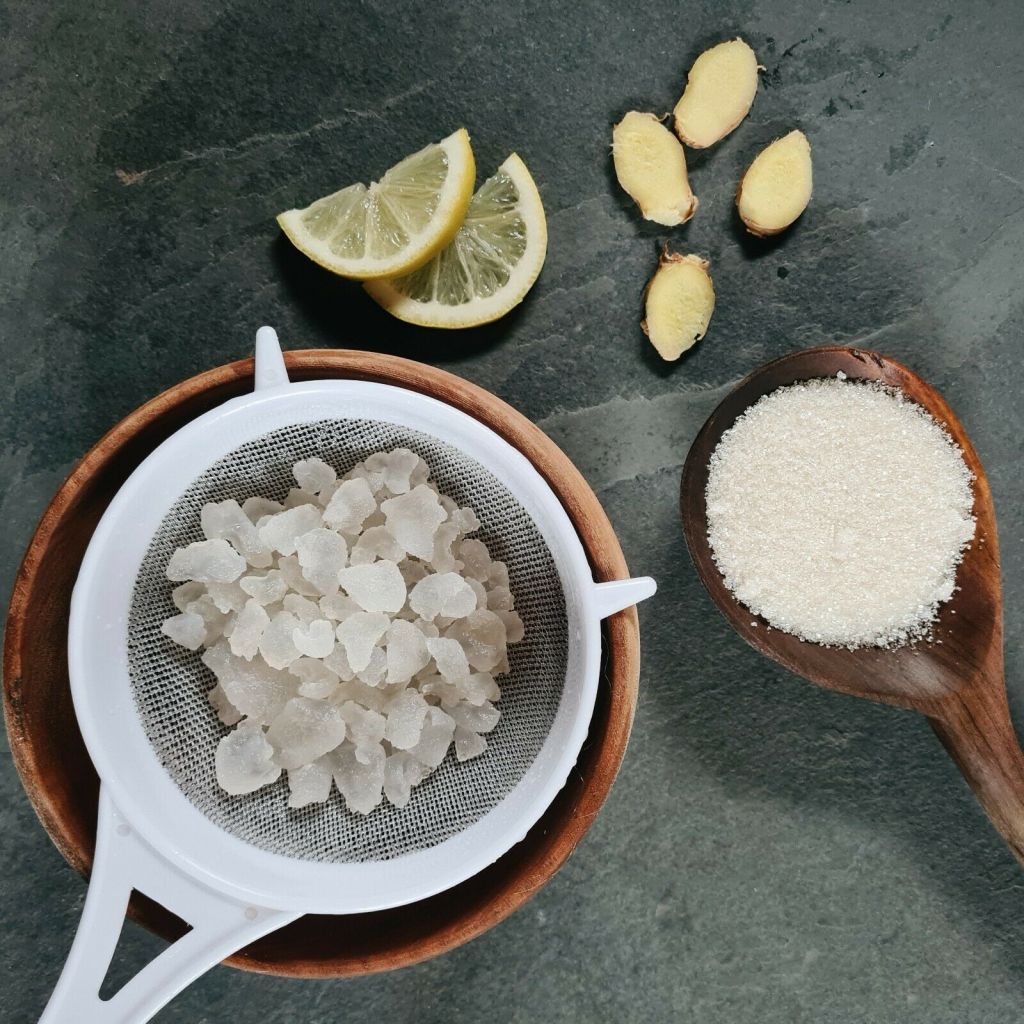
Water kefir is similar to kombucha as it results from the fermentation of a SCOBY but it is lot more mild in flavour than kombucha.
If the grains are healthy and happy they grow fast, much faster that milk kefir grains. You can keep giving them away knowing there is an abundant supply, it’s so nice to think of them bringing other people fermentation joy too.
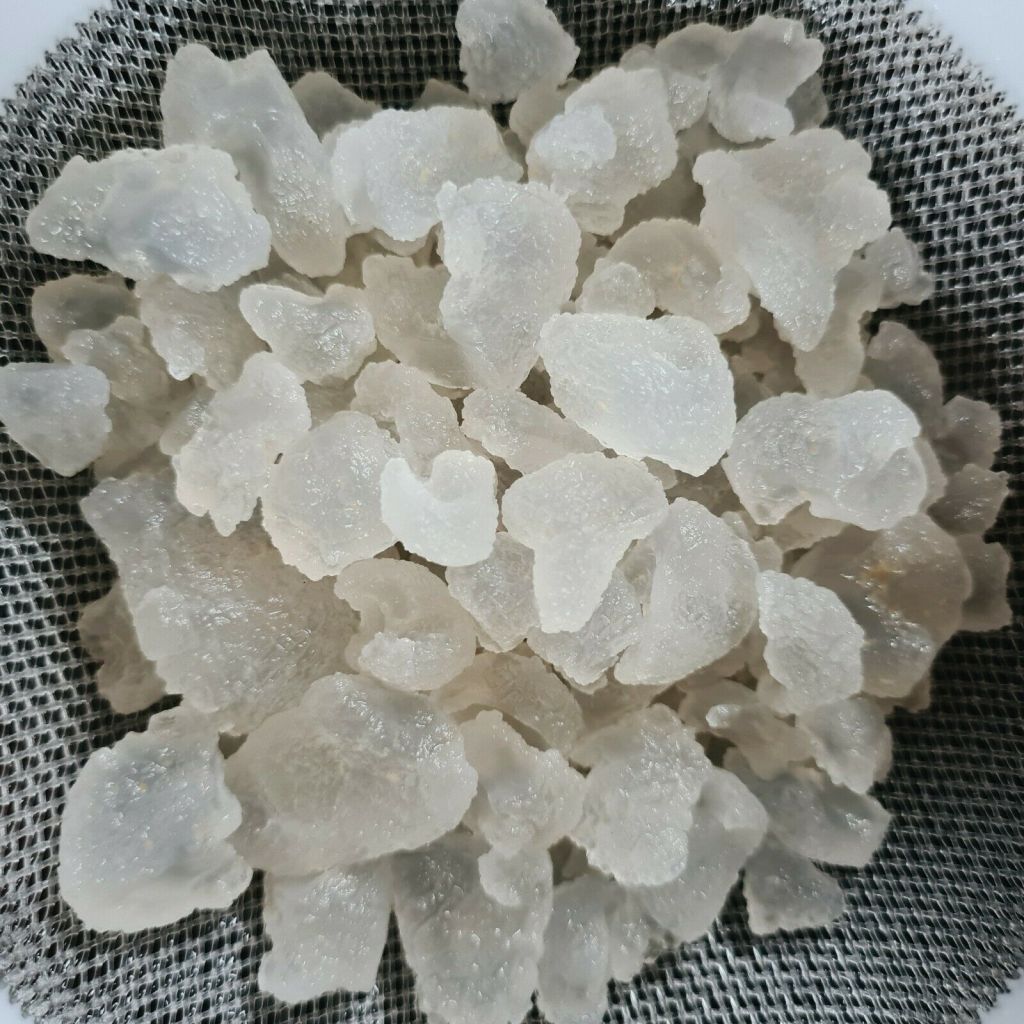
Like most fermentations, making water kefir is simple and easy. It just looks a bit complicated. But, once you’ve mastered it and made the first ferment, there are so many flavours to experiment with.
Water kefir grains work similarly to making kombucha in that the fruits and herbs used to make interesting flavours is added during the second fermentation.
The first fermentation is fine to drink on it’s own, but the fun comes in when playing around with different ingredients.
Some tasty flavour combinations that have worked well so far (during the 2nd fermentation) –
A couple of favourite combinations:
Hibiscus and mint
Apple and ginger
Lemon and lime
Melon and strawberry
Hibiscus and clementine,
Melon and lime,
Ginger and lemon
WATER KEFIR
Equipment needed:
- Water kefir grains
- A glass jar (a kilner or mason jar work really well)
- A clean piece of muslin or kitchen towel
- Rubber band
- Plastic sieve
- Water – spring or tap
- Sugar
- A glass flip top bottle (if you would like to do a 2nd fermentation)
Method:
- Wash and sanitise all your fermentation equipment – you can do this by rinsing your equipment in boiling water and leaving it to air dry.
- Dissolve 40g sugar in 300ml water in a glass jar or kilner jar.
- (As the grains start to grow you can increase the amount of sugar and water ie. when you notice they have nearly doubled in size you can double the amount of sugar and water).
- Wait for the water to cool and place the live kefir grains into the sugar water mixture. (You can always dissolve the sugar in a small amount of boiling water and cool it down quickly with cold water).
- Cover the jar with a piece of muslin cloth or a kitchen towel and secure it with a rubber band. (A kilner jar with the seal removed also works really well to let air circulate instead of using a cloth).
- Leave the kefir grains in the sugar water for 48 hours in a warm place – a cupboard works well. (Taste the water kefir after 2 days – it should be slightly sour but slightly sweet and you should see bubbles floating up the top from the grains at the bottom. The kefir will ferment quicker in warmer places and slower in colder ones so if it still tastes very sugary leave to ferment for a further 12-24 hours.
- Strain the fermented water kefir though the plastic sieve set over a jug or bowl.
- The sieved kefir water can now be bottled and enjoyed or it can be fermented a second time to add flavours of your choice.
- Wash your equipment and start the process again.
ADDING FLAVOUR
To add flavour with a second ferment simply add pieces of fresh or dried fruit, fruity teabags or a small amount of fruit juice to your bottle and leave to ferment for a further 1-2 days depending on the temperature. The kefir will start to carbonate and become effervescent, to gauge the level of carbonation you can flip the top of one your bottles to see how fizzy it is.
Please note: only proper fermentation bottles should be used for this stage as it can cause bottles to explode if they are not the right quality glass.
Once carbonated, you can place the bottles in the fridge and enjoy within 1 week – the kefir will also continue to ferment and build pressure in the fridge, just at a slower rate, so take care to not forget about the bottles in your fridge as these could also explode. Sounds pretty dangerous, but it’s not really.
Some people like to add dried fruit (raisins, figs or dates) to the first ferment as this adds minerals to the mixture and another source of sugar for the microbes.
You could try doing one ferment in coconut water or using coconut sugar or molasses as a sugar alternative (make sure to refresh the grains in raw sugar water every other ferment if you are doing this – the grains need raw sugar to grow and thrive).
There are so many different variations to try and it is really fun to experiment with. Changing the sugar source or type of dried fruit can really change the flavour of the finished drink.
 FLEURMENTATION